
BMP - Basic Metabolic Panel
Test Code: 10165
CPT Code(s): 80048
Includes: BUN/Creatinine Ratio (calculated), Calcium, Carbon Dioxide, Chloride, Creatinine with GFR Estimated, Glucose, Potassium, Sodium, Urea Nitrogen (BUN)
Patient Preparation: Fasting specimen is preferred
Alternative Name(s): BMP, Metabolic Panels
Basic Metabolic Panel without eGFR
Test Code: 19108
CPT Code(s): 80048
Includes: Glucose, Urea Nitrogen (BUN), Creatinine, BUN/Creatinine Ratio, Sodium, Potassium, Chloride, Carbon Dioxide, Calcium, Lipemia, Icterus, Hemolysis
Methodology: See individual test
Clinical Significance: Basic Metabolic Panel - This panel comprises a group of 8 specific tests that provide information on the status of an individual’s blood electrolytes, glucose levels, kidney status, and acid-base balance. The panel is usually ordered as part of a routine health examination or physical [1].
The Basic Metabolic Panel is also commonly ordered during hospital and emergency-room admission, and to monitor the metabolism and vital signs of hospitalized individuals with conditions, such as hypertension, who are being treated with diuretics or other appropriate interventions. [1].
Significant changes in electrolytes, acid-base balance, renal function, and blood glucose may be associated with kidney failure, respiratory distress, and impaired cognitive status. Changes in sodium, potassium, and calcium alter the excitability of neurons, cardiac, and skeletal muscles that can produce arrhythmias, weakness, and spasms/tremors [1].
Basic metabolic panel test results are usually evaluated in conjunction with one another for patterns of results. A single abnormal test result could be indicative of something different than if more than 1 of the test results are abnormal. Many conditions can cause abnormal results, including kidney failure, respiratory distress, and diabetes-related complications [1].
The section below outlines the roles of the analytes assessed with this panel [1].
- Sodium: Plays a central role in maintaining the normal distribution of water and osmotic pressure.
- Potassium: Essential for proper muscle and nerve function.
- Chloride: Helps keep the balance of fluids, maintain blood volume, stabilize blood pressure, and balance the pH of body fluids.
- CO2 (carbon dioxide, bicarbonate): Used to evaluate the total carbonate buffering system and acid-base balance.
- Glucose: A critical energy source for cells and organs. Used to diagnose diabetes and hypoglycemia.
- Calcium: Essential for nerve, muscle, and heart functions and bone formation.
- BUN (blood urea nitrogen): Evaluation of kidney function.
- Creatinine: Useful for diagnosis of renal insufficiency and estimation of glomerular filtration rate.
References
1. Rao LV, et al. Laboratory tests. In Rao LV, eds. Wallach's Interpretation of Diagnostic Tests. Pathways to Arriving at a Clinical Diagnosis. 11th ed. New York, NY: Wolters Kluwer; 2020, 6-463.
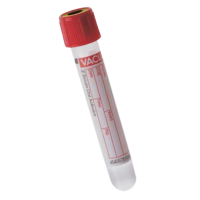
Supply: #T157 - Red/Yellow SST 8mL
Preferred Specimen: Serum *Fasting is required
Preferred Volume: 3 mL
Transport Container: Serum Separator Tube (SST)
Transport Temperature: Room Temperature
Specimen Stability: Room Temperature: 72 hours
Rejection Criteria:
- Hemolysis
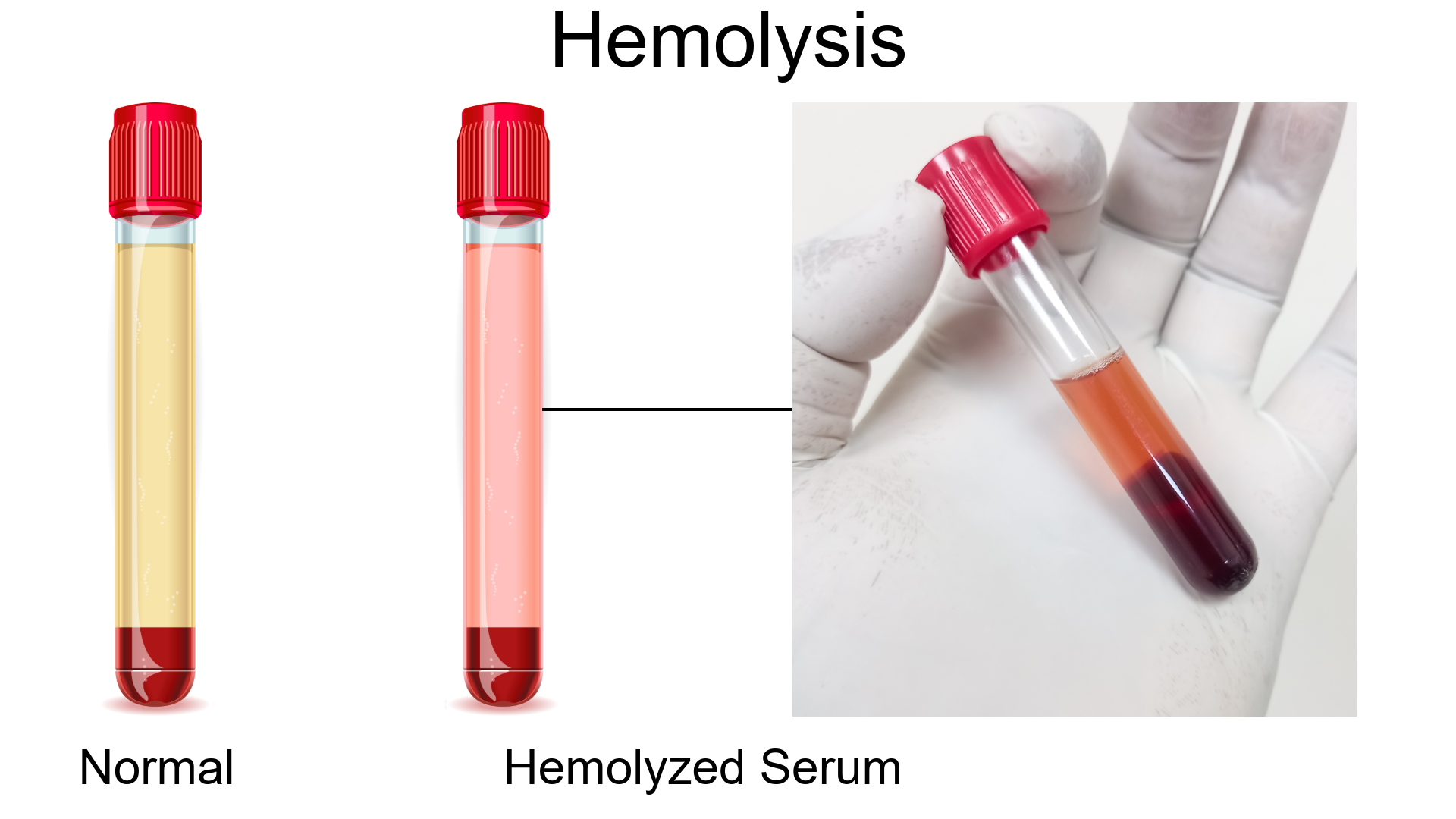
- What are hemolyzed specimens?
-
Hemolysis occurs when the red cells are damaged during sample collection causing them to rupture. Hemolyzed serum or plasma is pale pink to red rather than the normal clear straw or pale-yellow color.
-
- What causes a specimen to be hemolyzed?
- Mixing tubes too vigorously
- Placing tubes in the refrigerator without allowing 30 minutes at room temperature for complete clotting
- Exposure to heat or in a refrigerator that is too cold
- Using a needle with too small of a bore necessary for the venipuncture
- Using too large a tube when using a butterfly needle
- Not allowing sufficient time for alcohol to dry on puncture site
- Leaving the tourniquet on for longer than one minute
- How can hemolyzed specimens be prevented?
- For routine collections, use a 20–22-gauge needle
- Do not remove the needle from the vein with the vacuum tube engaged
- Do not collect a specimen in a hematoma
- Do not centrifuge the specimen for a prolonged period of time
- Draw the sample gently and evenly
- What are hemolyzed specimens?
- Specimens exceeding stability
- Specimens other than serum
- Unlabeled or improperly labeled specimens
- Frozen Serum
- Serum not separated from cells (unspun SST or Red top tube)
- Potassium and Glucose will be rejected if not separated from cells or hemolyzed
For additional supply or collection device information, please contact DLO's Customer Service at (800) 891-2917, option 2.
The CPT codes provided are based on AMA guidelines and are for informational purposes only. CPT coding is the sole responsibility of the billing party. Please direct any questions regarding coding to the Payor being billed.