
Cardio IQ® Insulin Resistance Panel with Score
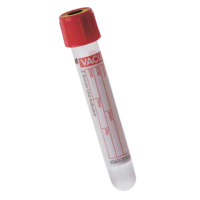
Test Code: 36509
CPT Code(s): 83525, 84681
Clinical Significance: Cardio IQ® Insulin Resistance Panel with Score - The determination of insulin in serum is primarily used for the diagnosis of glycemic disorders in diabetic and pre-diabetic patients in the assessment of insulin resistant syndromes. Insulin is synthesized by the pancreatic beta cell as a precursor, proinsulin. Proinsulin is processed to insulin and C-peptide, a contiguous peptide between the insulin A and B chains, as it passes through the cell. The C-peptide in the proinsulin ensures correct folding and processing of proinsulin as it passes through the cell. Both insulin and C-peptide are released together from the beta cells in response to increased glucose levels. Because of differences in half-life and hepatic clearance, peripheral blood levels of C-peptide and insulin are no longer equimolar but remain highly correlated. A steady-state plasma glucose test in individuals undergoing an insulin suppression test to assess insulin resistance found that the combination of insulin and C-peptide was a better indicator of insulin resistance than either one individually.
Includes:
- Insulin, Intact, LC/MS/MS
- C-Peptide, LC/MS/MS
- Insulin Resistance Score
Methodology: Immunocapture Liquid Chromatography/Tandem Mass Spectrometry
Assay Category: This test was developed and its analytical performance characteristics have been determined by DLO/Quest Diagnostics. It has not been cleared or approved by FDA. This assay has been validated pursuant to the CLIA regulations and is used for clinical purposes.
Reference Range(s):
- Insulin, Intact, LC/MS/MS ≤ 16 uIU/mL
- C-peptide, LC/MS/MS 0.68-2.16 ng/mL
- Insulin Resistance Score ≤ 66
Alternative Name(s): IRS, IR Risk Score, CIQ IRS, IRR Score, CardioIQ®, IR Score, CIQ Insulin
Supply: #T157 VACUETTE® Red/Yellow SST 8mL
Preferred Specimen: Serum
Preferred Volume: 0.5 mL Serum
Minimum Volume: 0.4 mL
Transport Container: Pour off transport tube (Supply #ST01 Serum Pour-off Transport vial)
Transport Temperature: Refrigerated (cold packs)
Specimen Stability:
- Room Temperature: 24 hours
- Refrigerated: 7 days
- Frozen: 28 days
Rejection Criteria:
- Hemolysis
- What are hemolyzed specimens?
-
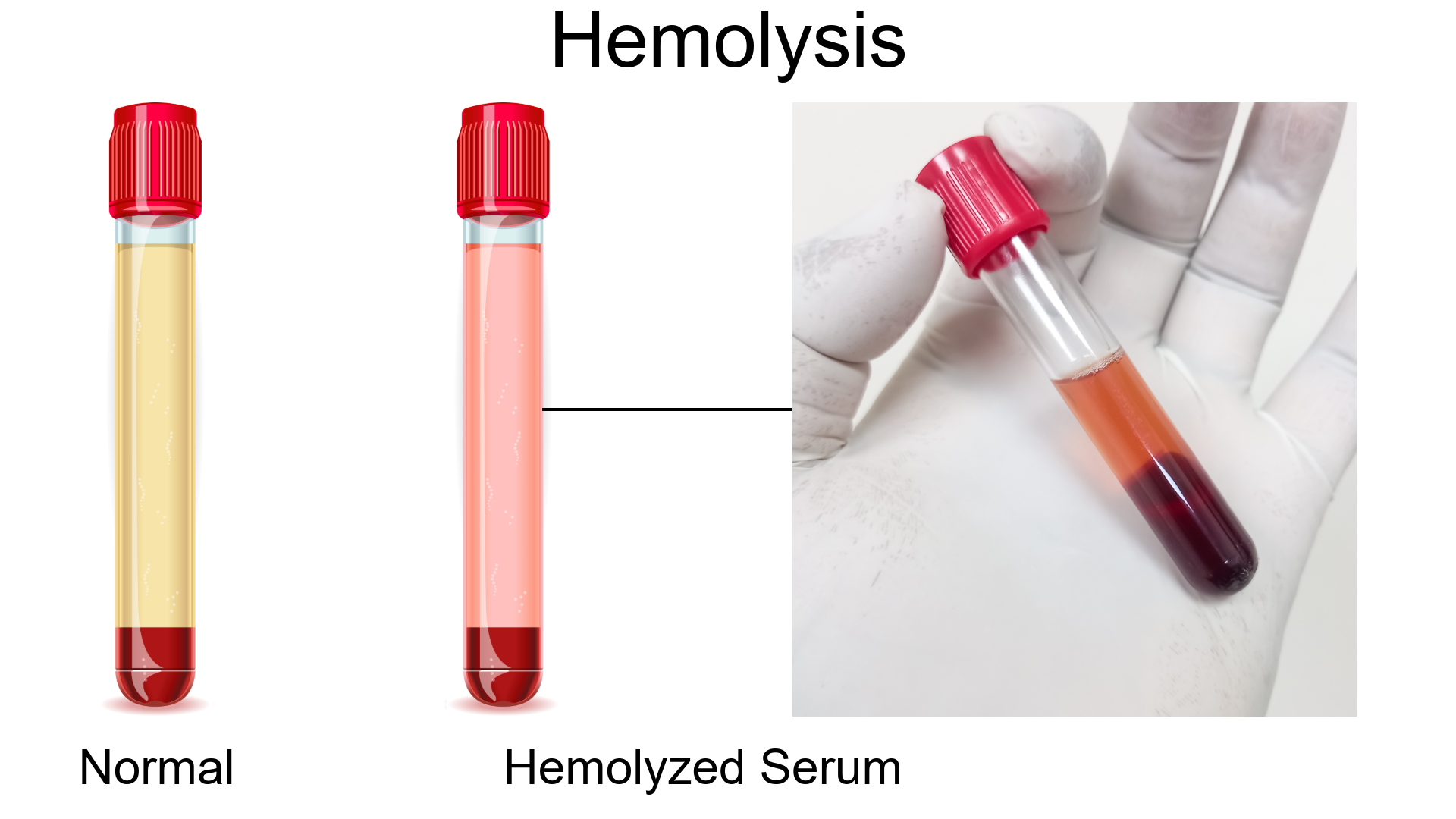
Hemolysis occurs when the red cells are damaged during sample collection causing them to rupture. Hemolyzed serum or plasma is pale pink to red rather than the normal clear straw or pale-yellow color.
-
- What causes a specimen to be hemolyzed?
- Mixing tubes too vigorously
- Placing tubes in the refrigerator without allowing 30 minutes at room temperature for complete clotting
- Exposure to heat or in a refrigerator that is too cold
- Using a needle with too small of a bore necessary for the venipuncture
- Using too large a tube when using a butterfly needle
- Not allowing sufficient time for alcohol to dry on puncture site
- Leaving the tourniquet on for longer than one minute
- How can hemolyzed specimens be prevented?
- For routine collections, use a 20–22-gauge needle
- Do not remove the needle from the vein with the vacuum tube engaged
- Do not collect a specimen in a hematoma
- Do not centrifuge the specimen for a prolonged period of time
- Draw the sample gently and evenly
- What are hemolyzed specimens?
- Specimens exceeding stability
- Specimens other than serum
- Unlabeled or improperly labeled specimens
For additional supply or collection device information, please contact DLO's Customer Service at (800) 891-2917, option 2.
The CPT codes provided are based on AMA guidelines and are for informational purposes only. CPT coding is the sole responsibility of the billing party. Please direct any questions regarding coding to the Payor being billed.