
Creatine Kinase Isoenzymes (CK Isoenzymes) with Total CK
Test Code: 4451
CPT Code(s): 82550, 82552
Clinical Significance: Creatine Kinase Isoenzymes (CK Isoenzymes) with Total CK - This test measures creatine kinase (CK), an enzyme found primarily in striated muscle and heart tissue, and may be useful in assessing muscle damage. Total CK and fractions of CK isoenzymes are reported.
CK is a dimeric enzyme composed of either 2 B subunits (CK-BB), 2 M subunits (CK-MM), or an M and a B subunit (CK-MB). CK-MM is the primary isoenzyme found in the skeletal muscle and heart tissue. CK-BB is mainly found in the brain and smooth muscle of gastrointestinal tract and urinary bladder. CK-MB is mainly found in the heart with a small amount in skeletal muscle [1].
An increase in the CK level is often observed in inflammatory myopathy (eg, viral myositis, polymyositis, and immune-mediated myopathies), muscular dystrophy (eg, Duchenne sex-linked muscular dystrophy), rhabdomyolysis, or malignant hyperthermia [1]. In patients with neuromuscular disorders, an increased CK level may be the only initial manifestation [1]. Other causes of elevated CK levels include hypothyroidism, direct muscle trauma (eg, surgery and intramuscular injection), excessive exercise, and certain medications (eg, statins, fibrates, antiretrovirals, and angiotensin II receptor antagonists) [1].
The quantitation of CK-MB levels in serum was widely used to diagnose acute myocardial infarction but has been replaced by troponin I and T levels, which are more cardiac-specific [2,3]. CK-MB measurement, preferably expressed as CK-MB relative to the total CK level, is only indicated in patients with suspected acute coronary syndrome or reinfarction when troponin T and I testing are not available [2]. In individuals with chronic muscle damage/disease or chronic renal failure, CK-MB may account for the elevation of CK levels owing to the phenomenon of "fetal reversion" [1].
CK-BB levels may be increased in newborns with brain damage or very low birth weight, although healthy newborns can also have increased CK-BB levels as a result of birth-related muscle trauma [1].
The results of this test should be interpreted in the context of pertinent clinical and family history and physical examination findings.
Includes: CK-BB, CK-MB, CK-MM and Creatine Kinase (CK), Total
Methodology: Electrophoresis • Enzymatic
Alternative Name(s): CPK Isoenzymes
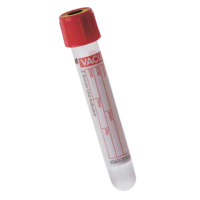
Supply: #T157 VACUETTE® Red/Yellow SST 8mL
Preferred Specimen: Serum
Preferred Volume: 2 mL
Transport Container: Transport Tube (#ST01 & #ST22)
Transport Temperature: Frozen
Specimen Stability:
- Room Temperature: Unacceptable
- Refrigerated: 48 hours
- Frozen: 14 days
Rejection Criteria:
- Hemolysis
- Specimens received thawed
- Specimens exceeding stability
- Specimens other than serum
- Unlabeled or improperly labeled specimens
References
1. Panteghini M, et al. Serum enzymes. In: Rifai N, et al. eds. Tietz Textbook of Laboratory Medicine. 7th ed. Elservier Inc; 2022:4149-4299.
2. CKMB: optimal testing recommendations. AACC. Accessed October 11, 2022. https://www.aacc.org/advocacy-and-outreach/optimal-testing-guide-to-lab-test-utilization/a-f/ckmb
3. Gulati M, et al. Circulation. 2021;144(22):e368-e454.
For additional supply or collection device information, please contact DLO's Customer Service at (800) 891-2917, option 2.
The CPT codes provided are based on AMA guidelines and are for informational purposes only. CPT coding is the sole responsibility of the billing party. Please direct any questions regarding coding to the Payor being billed.